PRIMARY
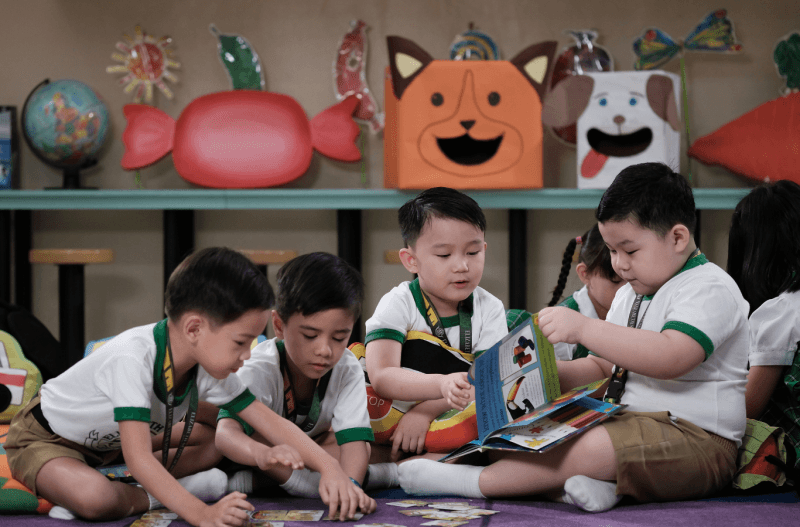
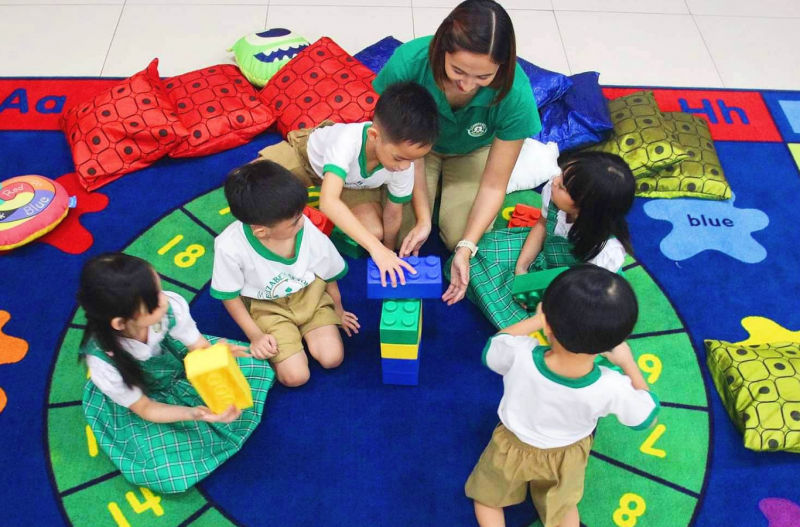
The Primary Divisions (Toddler to Kindergarten) academic programs effectively promote physical, social, intellectual, emotional, and skills stimulation that integrates values formation that efficiently prepares learners for the initial stages of elementary schooling (Grade 1 and Grade 2).
The curriculum for primary learners is designed to enable learners to achieve a balanced cognitive, emotional, social, and psychomotor development in a nurturing environment that recognizes the child’s varied multiple intelligences. The program is focused on establishing a firm foundation in values, knowledge, and skills to allow the child to understand his physical and social world; be able to independently function in it; and relate to others as part of a social group.
To ensure the preparation of each learner for higher grade levels, emphasis is placed on developing literacy, numeracy, social, and emotional competencies as evidenced by its developmentally appropriate and innovative activities for young children.
Preschool
The preschool program adopts thematic/interdisciplinary programs that engage students in creative learning inside an informal classroom. Academically, students starting Nursery are gradually introduced to learning concepts by subject area in Mathematics, Science, and English. To ensure that preschoolers are prepared for elementary school, Filipino is incorporated in classes in Kindergarten.
Grades 1 and 2
As an introduction to elementary, primary learners in Grades 1 and 2 are gradually introduced to the rudiments of subject learning through the inclusion of subjects like: Araling Panlipunan, Catholic Christian Formation, Music, Arts and Physical Education (MAPEH), and Computer into their weekly routine.
Learners in these grade levels are challenged to solve simple problems; make plain associations; build their English language proficiency and provide simple synthesis in fostering good citizenship; and learn to respect other people and the environment.
GRADES 3 to 6
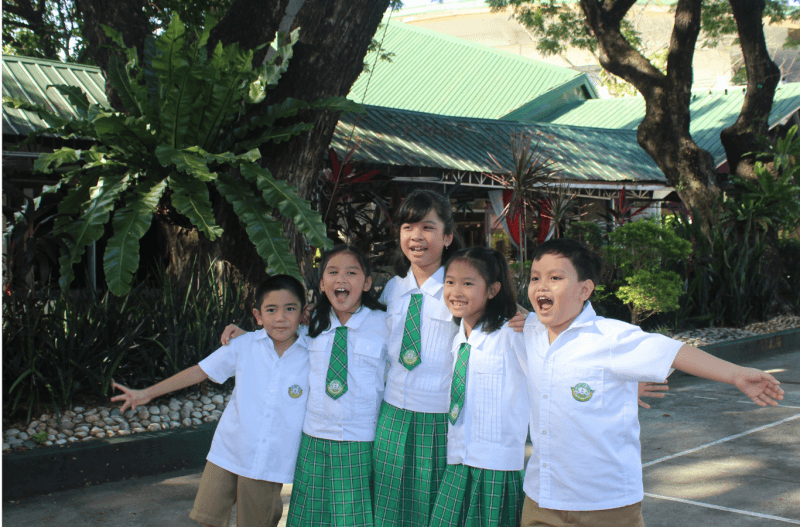
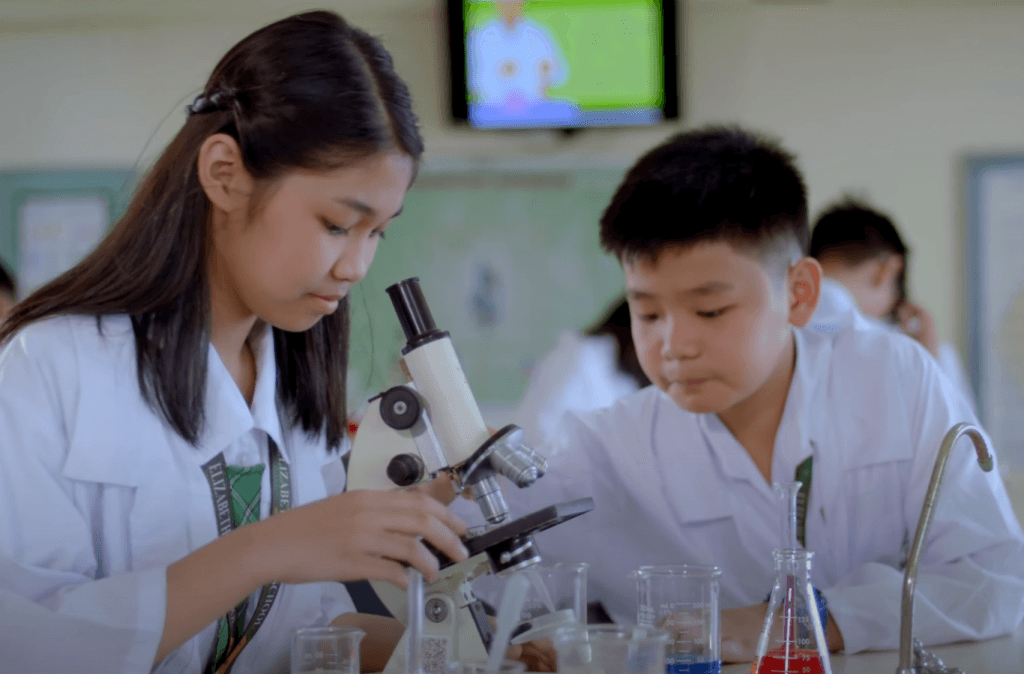
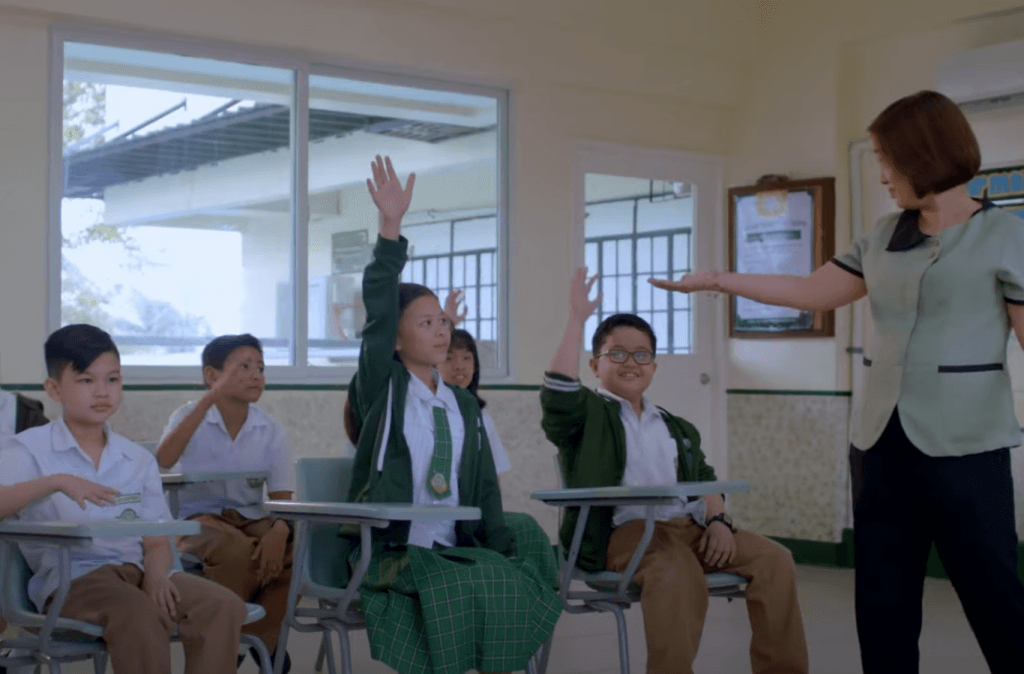
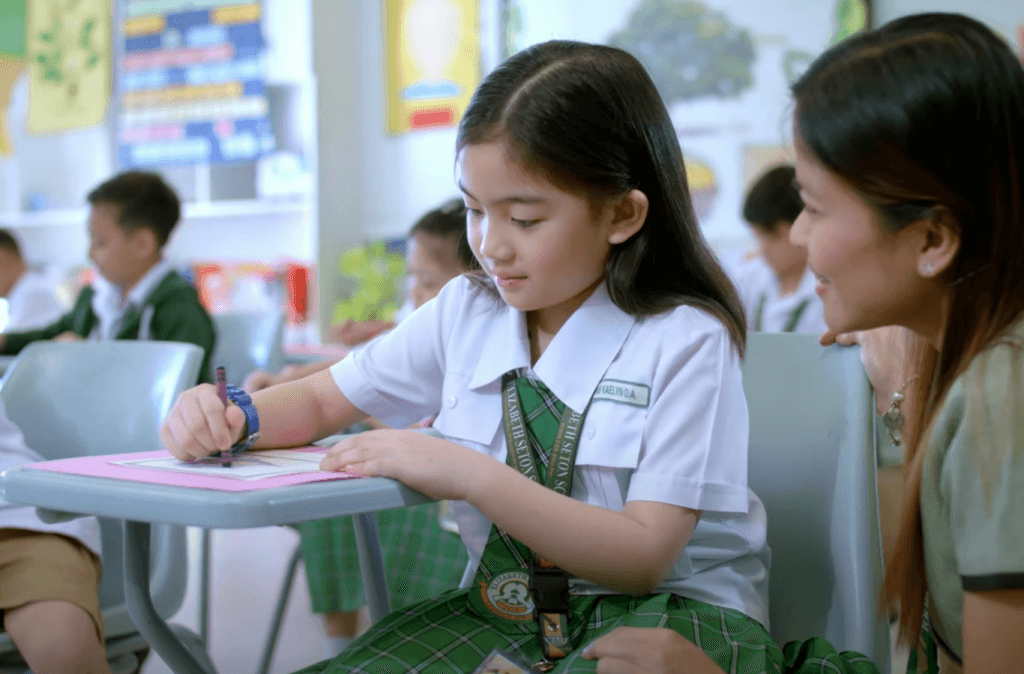
The Grade School Division caters to a vibrant community of young learners, from Grades 3 to 6, at the elementary level. Guided by the school’s mission to develop competent lifelong learners, students in the Grade School are exposed to an academic regimen that aims to enrich each child’s intellectual curiosity and build character that imbibes the values of Love, Faith, and Selfless Service. Students are conscientiously formed to observe a strong sense of order and discipline that guides them to be responsible for their decisions and actions.
Grade School also serves as the pathway in introducing learners to 21st-century skills that are fundamental in establishing a good learning foundation. In this level, grade-schoolers are introduced and encouraged to practice collaboration, teamwork, creativity, critical thinking, problem solving, and decision making.
GRADES 7 TO 10
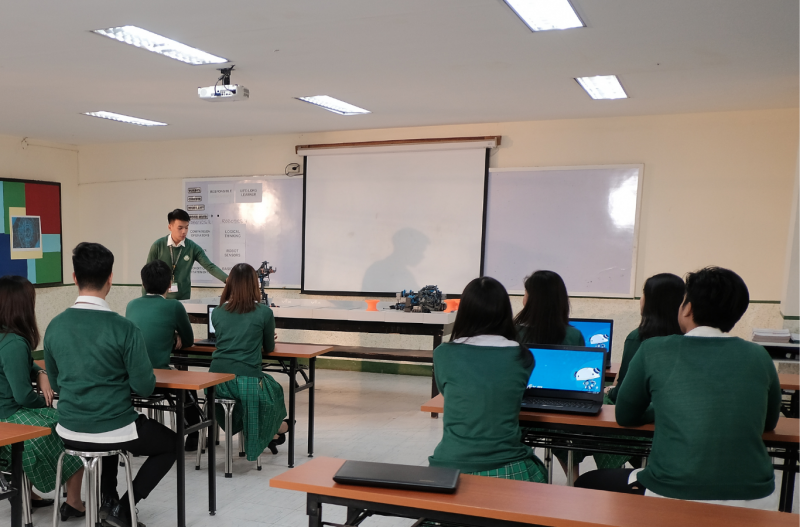
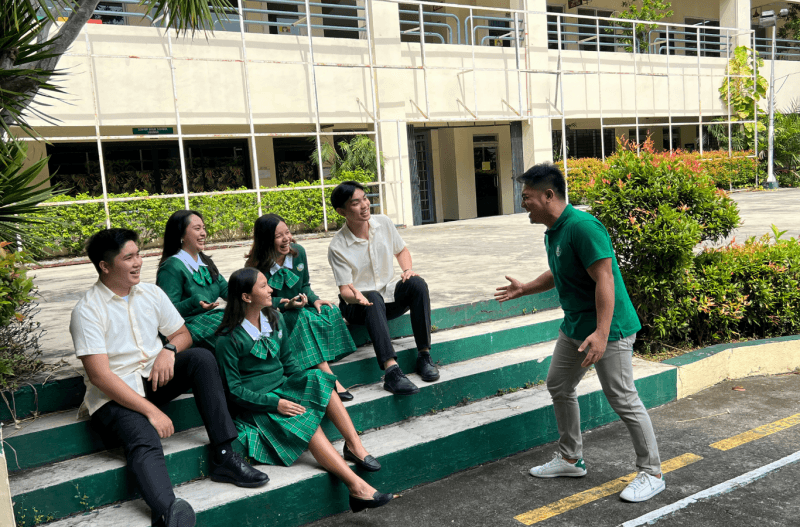
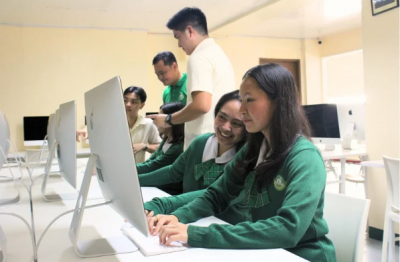
The High School Division represents the final phase of basic education. It is focused on the preparation of students to be both college and career-ready.
The High School program provides learners with a solid academic foundation designed to arouse interest in lifelong learning. Here, learners are challenged to think critically, organize their thoughts logically, and express their ideas effectively through an educational environment that encourages independence, responsibility, and creation of self-identity.
As young adults, High School learners are guided and formed to be witnessing Catholic Christians in the spirituality of Mother Seton to materialize Principled-Competent Lifelong Learners, making each child an effective and contributing member of society.
GRADES 11 and 12
Senior High School (SHS), marks the final phase of basic education, designed to equip learners with the skills, mindset, and direction needed to succeed in higher education or entrepreneurship. The SHS program at Elizabeth Seton School is thoughtfully structured to help learners align their academic path with their long-term career goals. With a dynamic, future-focused learning environment, the program emphasizes the development of critical thinking, communication, collaboration, and problem-solving skills essential for success in college, the workplace, and real-life experiences.
Science, Technology, Engineering and Mathematics (STEM)
STEM integrates the disciplines of science, technology, engineering, and mathematics to prepare learners for careers in fields such as medicine, engineering, computer science, chemistry, and astrophysics. It emphasizes analytical thinking, research, evidence-based reasoning, and practical application of knowledge.
Accountancy, Business, and Management (ABM)
ABM provides a solid foundation in business concepts, including finance, entrepreneurship, and management. Learners are exposed to real-world business operations and functions, preparing them for careers in marketing, advertising, accounting, and business management.
Humanities and Social Sciences (HUMSS)
HUMSS focuses on the study of human behavior, culture, communication, and societies. Ideal for learners with interests in journalism, communication arts, education, liberal arts, philosophy, or social sciences, it nurtures critical thinking, empathy, and strong communication skills.